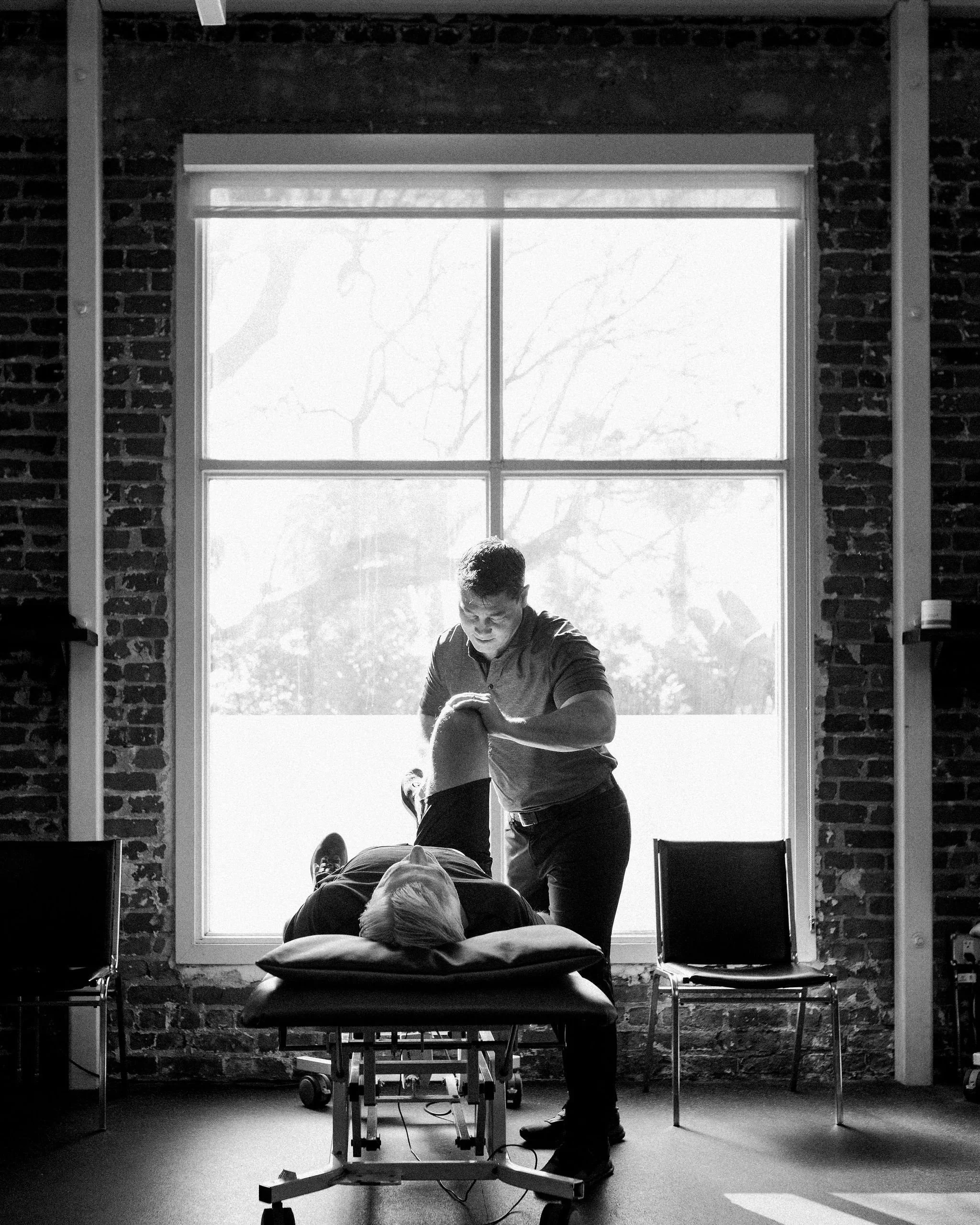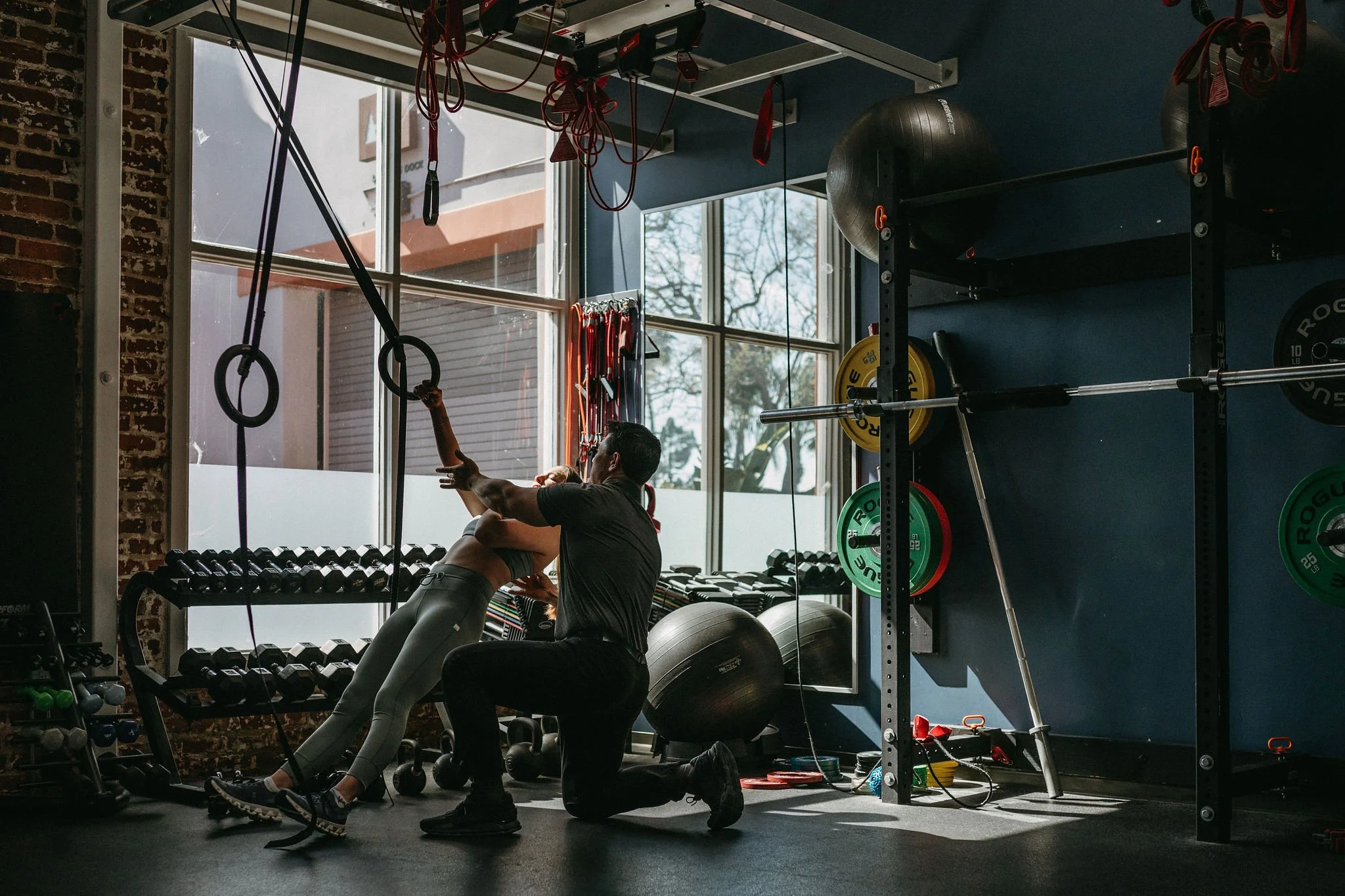
Welcome,
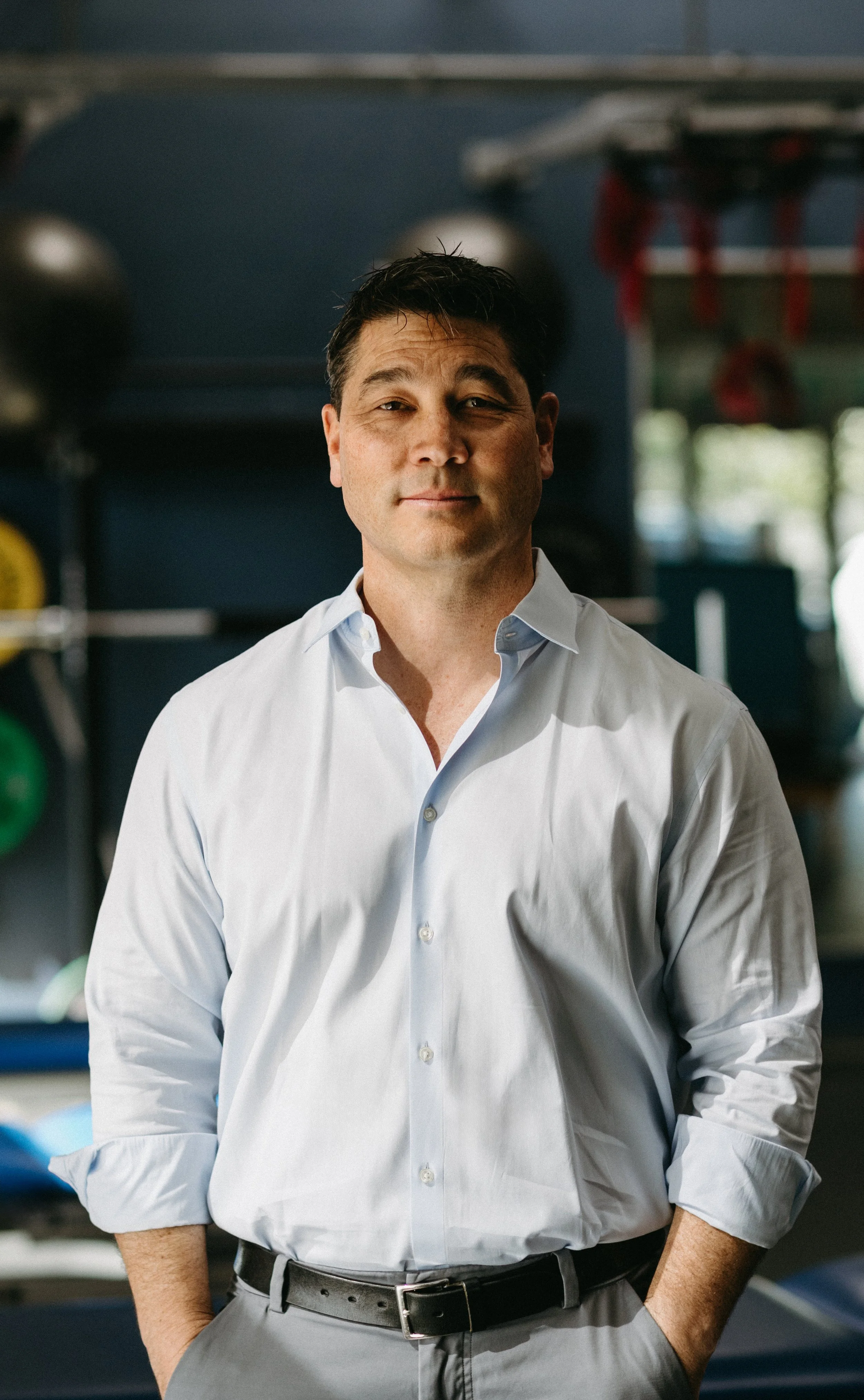
I’m Dr. Maury Hayashida
My Story
I am originally from Hawai’i but raised in Zambia and Kenya. Growing up in Africa has exposed me to a lot of cross-cultural disparities, one of which is the limited access to physical rehabilitation services for people-group’s that are dependent on high-capacity human function for their daily survival. Thus began a life-long inquiry for me, regarding the science of human movement and its role in life and the human experience.
Santa Barbara, California has been home for most of my professional life. My career has been an entrepreneurial quest into physical rehabilitation and human performance. I work with a diverse group of clients from high-performing professionals and athletes, entertainers, and executives, and what I call ‘age-defiers’...the ones ‘undefined’ by age! They all share one single objective which is to achieve high-performing bodies for high-performing lives.
What I Do
Movement Science
I am a movement scientist. I blend my clinical doctorate in physical therapy (DPT) and my research doctorate in human movement science (PhD, *pending) to study, diagnose, treat, and train people who are in pain or want to move and perform in life better
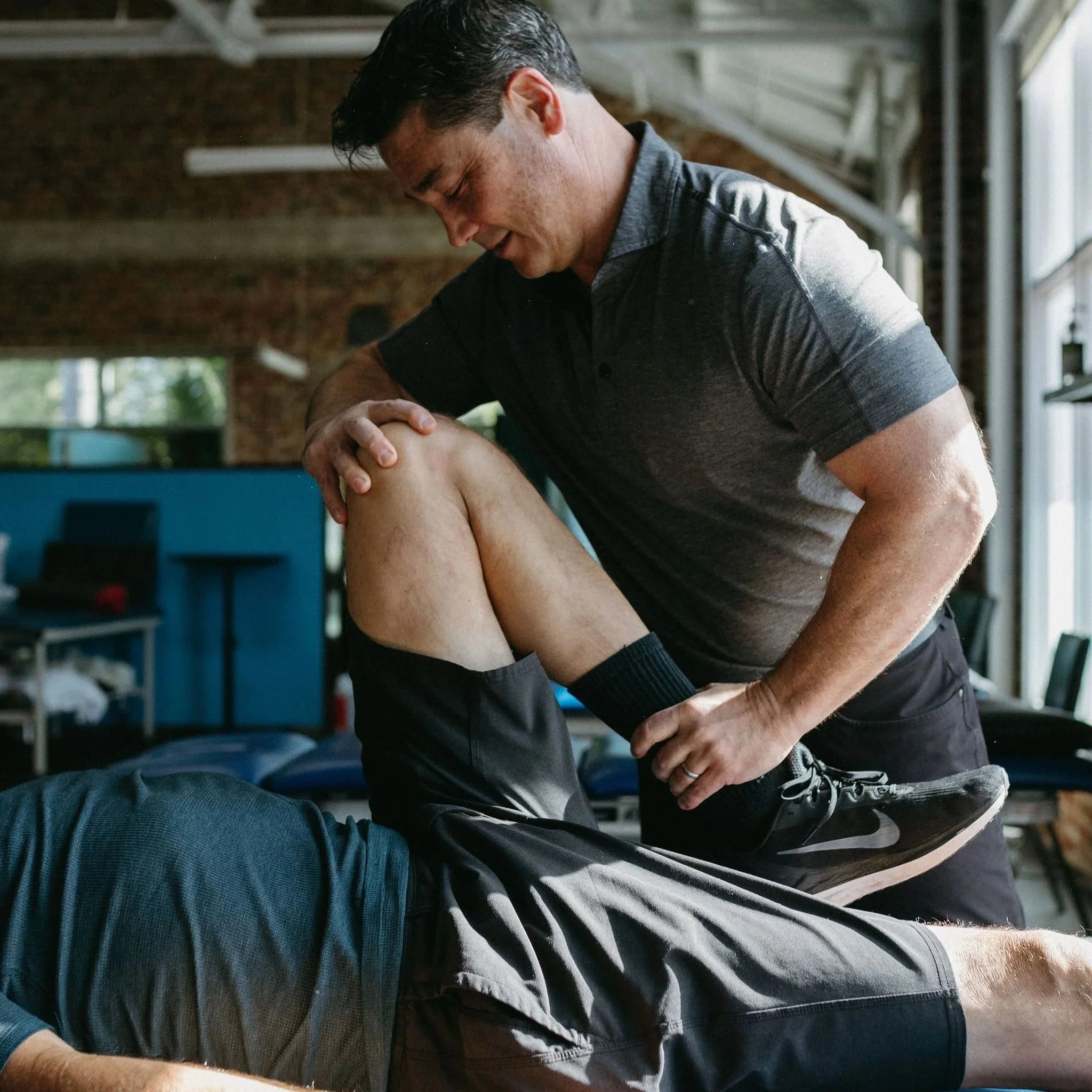
Myopressure of Triathalete
How I Do It
T3 Approach
My work is a perpetual practice of re-defining what I’ve call the “T3 approach” to motor development, which the ‘testing’, ‘treating’, and ‘training’ sequence for movement analysis & intervention. The objective is to efficiently eliminate pain, optimize physical performance, and achieve movement longevity…a definition for quality-of-life.
Movement is singular, and thus analysis and intervention must be personalized. There is no other way to achieve success other than assessing individual movement patterns (otherwise known as ‘motor signatures’), identifying underlying neuro-motor and biomechanical dysfunctions, and understanding the perpetual interplay between treatment, training, and lifestyle/performance.
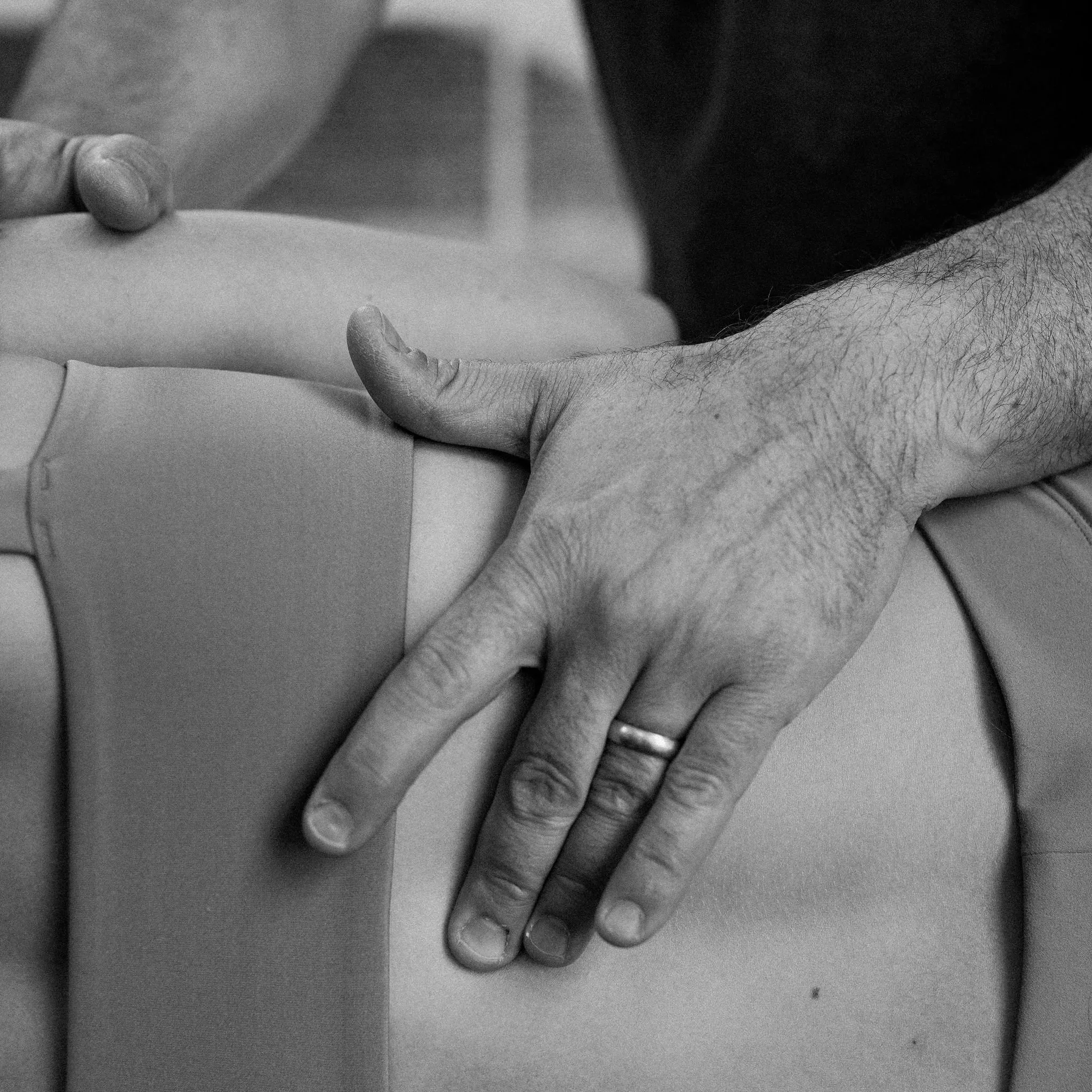
‘Testing’ involves physical examination and movement screening using clinical and instrumented methods to establish a ‘movement diagnosis’
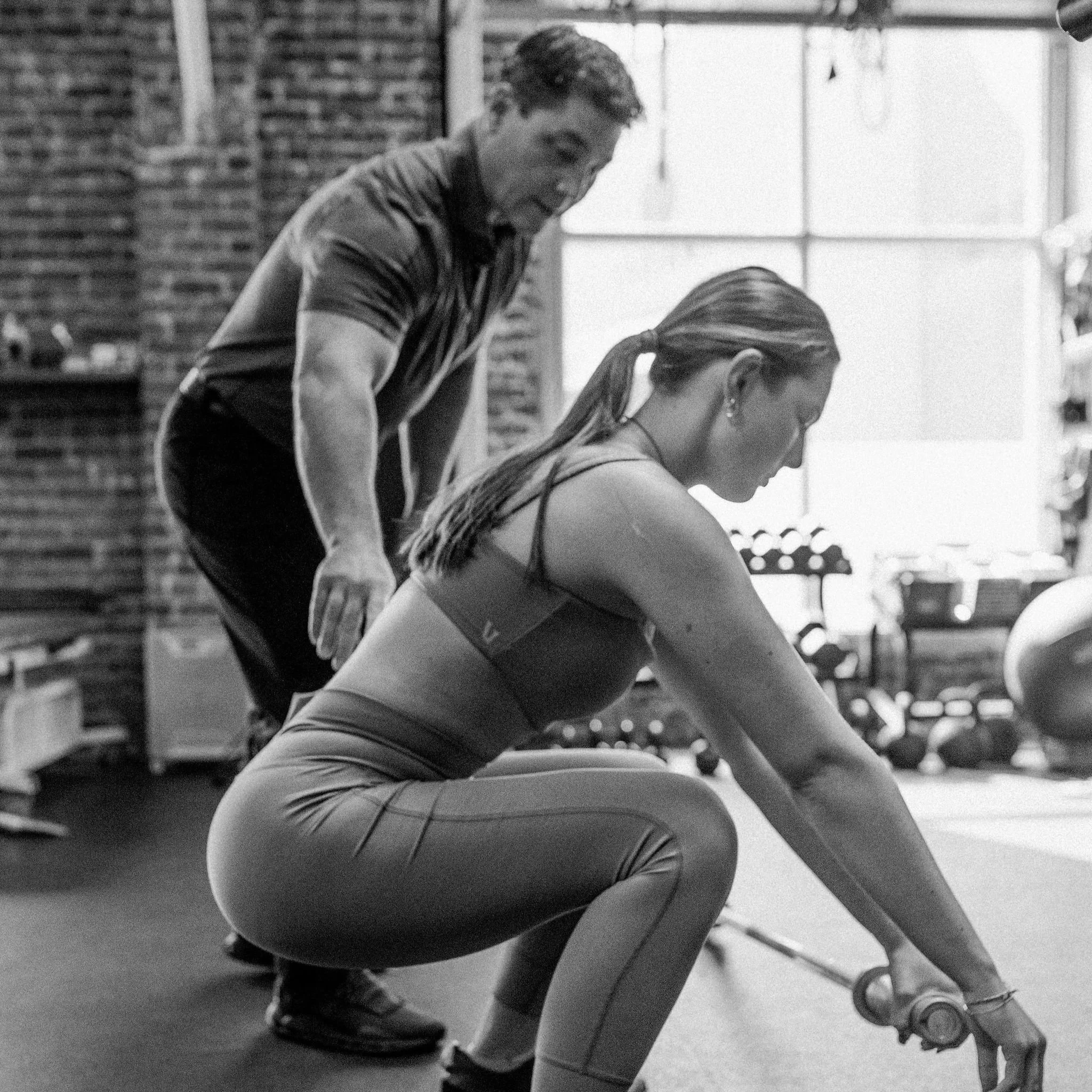
‘Training’ consists of optimal movement repetitions tailored toward the demands unique to each individual; otherwise known as therapeutic and conditioning exercises
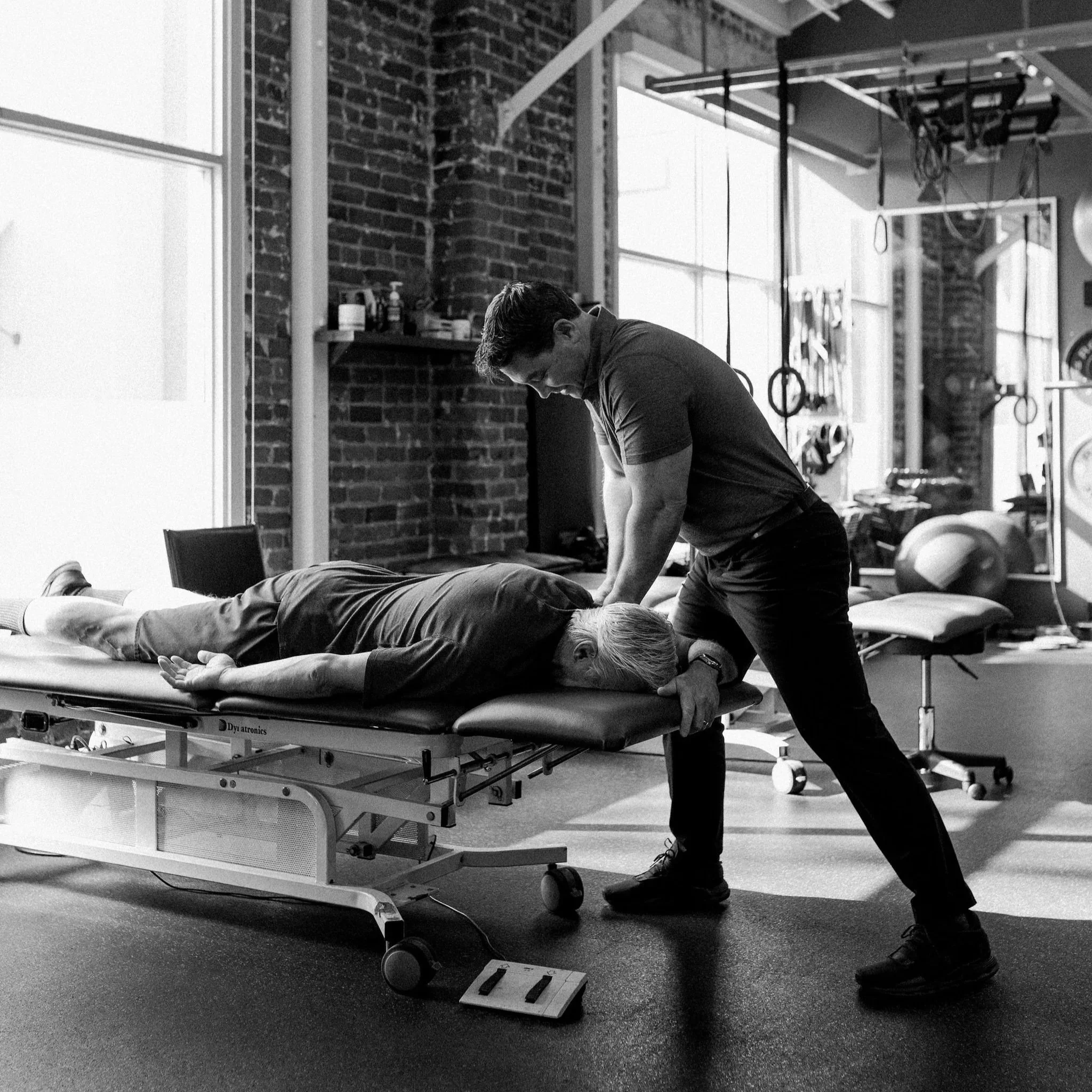
‘Treating’ entails skilled manual therapy and movement re-education.
How to Reach Me